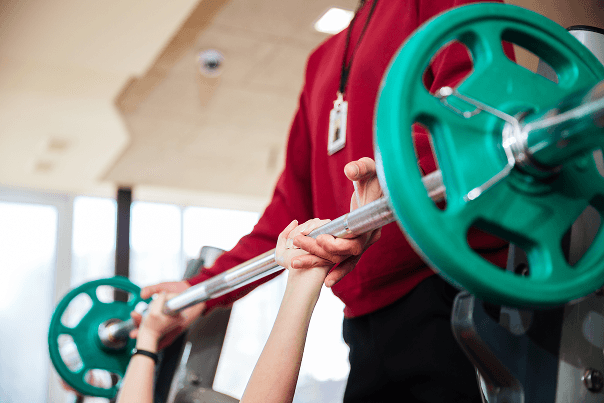
I’ve been active my entire life—from playing on countless sports teams to competing as a runner. But after years of relying solely on running for exercise, I wanted to try something new. That’s what led me to a group fitness class that incorporated weights. To my surprise, lifting regularly didn’t just help me get toned—I noticed improvements in my strength and posture, and I was getting sick less often.
“Lifting weights isn’t just about building muscle—it’s a cornerstone of overall health,” says sports dietitian Amy Goodson, M.S., RD, CSSD, LD. “Regular strength training can help promote healthy metabolism, support bone density, and improve functional movement, making daily activities easier and reducing the risk of chronic diseases.”
Clearly, lifting offers far more than visible muscle gains. Below, we’ll dive into the many reasons to love strength training, how much you need each week, and simple tips to get started.
Why We Love Lifting Weights
Improved Strength
It might seem obvious, but lifting regularly truly does build strength—and that matters more than most people realize. Without consistently challenging your muscles, strength naturally declines over time. Maintaining and improving strength supports everyday tasks like carrying groceries, lifting a suitcase, and picking up your child.
Better Metabolic Health
If your recent lab results weren’t ideal, strength training may help address some metabolic concerns. Building muscle increases metabolic activity, which fuels a range of health benefits. “Having more muscle mass leads to better metabolic health, including improved blood sugar control, lipid levels, blood pressure, and waist circumference,” says sports dietitian Dawn Jackson Blatner, RDN, CSSD.
Improved Body Composition
Weight lifting doesn’t just build muscle—it shifts your overall body composition by increasing lean mass and reducing body fat. More muscle also raises your resting metabolic rate, helping you burn more calories even at rest. And because of the “afterburn effect,” you continue burning calories after your workout ends. Research consistently shows that resistance training reduces body fat percentage, fat mass, and visceral fat in healthy adults.
Improved Bone Health
While you can see your muscles contracting during a workout, what you can’t see is that your bones are strengthening too. Bones are living tissue, and they respond to physical stress. As Blatner notes, strength training puts “good stress on bones.”
“Weight-bearing exercises stimulate bone formation and help maintain or improve bone mineral density, lowering the risk of osteoporosis and fractures with age,” explains Goodson. Since bone mass naturally declines as we get older, lifting weights becomes essential for maintaining bone health and reducing the risk of injury.
May Boost Brain Function
If you’ve been feeling foggy or noticing changes in your mood, lifting weights may help. “Weight training may decrease anxiety, boost mood, and improve cognitive function like memory, attention, and processing speed,” says Blatner.
Strength training triggers the release of endorphins and increases blood flow to the brain—both of which support cognitive health. One study found that older adults who completed 12 weeks of resistance training improved not only their strength but also their brain chemistry, suggesting protection against age-related cognitive decline.
Improved Core Strength
The secret to a stronger core isn’t endless sit-ups—it’s consistent weight training. Your core includes your abs, back, hips, glutes, diaphragm, and pelvic floor. “Weight training strengthens core muscles, which supports posture, balance, and coordination—vital for preventing falls and maintaining independence later in life,” says Goodson.
As Blatner puts it, “Muscle is our longevity organ. The more muscle you have, the longer and healthier you live!”
How Much Weight Lifting You Should Do
So how often should you lift weights to see results? Major health organizations—including the CDC, WHO, AHA, and ACSM—recommend at least two strength-training sessions per week targeting all major muscle groups, says Blatner. This could mean two full-body workouts or splitting sessions into upper and lower body days. Consistency is what matters most.
Is Weight Lifting Safe for Everyone?
Strength training is safe and beneficial for most people, but certain individuals should consult a health care provider before starting, including those with heart conditions, joint issues, or who are pregnant.
Older adults may need to modify exercises due to joint or balance concerns. Goodson recommends that older adults and pregnant individuals use weight machines instead of free weights to reduce the risk of injury. Working with a personal trainer can also help ensure proper form.
Tips for Starting to Lift Weights
Choose the approach that fits your lifestyle—whether that’s a group strength class, personal training, or following free online workouts, says Blatner.
Focus on form: If you’re new, master movements using bodyweight first—squats, lunges, and push-ups—before adding weight.
Start light: After learning proper form, begin with lighter dumbbells and gradually increase the weight.
Progress gradually: “Progress comes from showing up, not maxing out,” says Blatner. Increase weight slowly over time to help your body adapt and prevent injury.
Our Expert Take
Weight lifting isn’t just about growing your biceps—it’s one of the most powerful things you can do for long-term health. Regular strength training boosts metabolism, improves strength, enhances body composition, strengthens bones, supports cognitive function, and fortifies your core.
Experts recommend lifting at least twice per week, and anyone can get started with accessible options like classes, personal trainers, or online workouts. If you’re new, remember: Nail your form first, start light, and build up gradually.