
Nutrition Tip for August: Enjoy Fresh Berries While They’re in Season
August is one of the best months to enjoy fresh berries. Blueberries, blackberries, raspberries, and strawberries are packed with antioxidants, fiber, and vitamin C, making them an easy addition to breakfast, snacks, or desserts while supporting overall health.
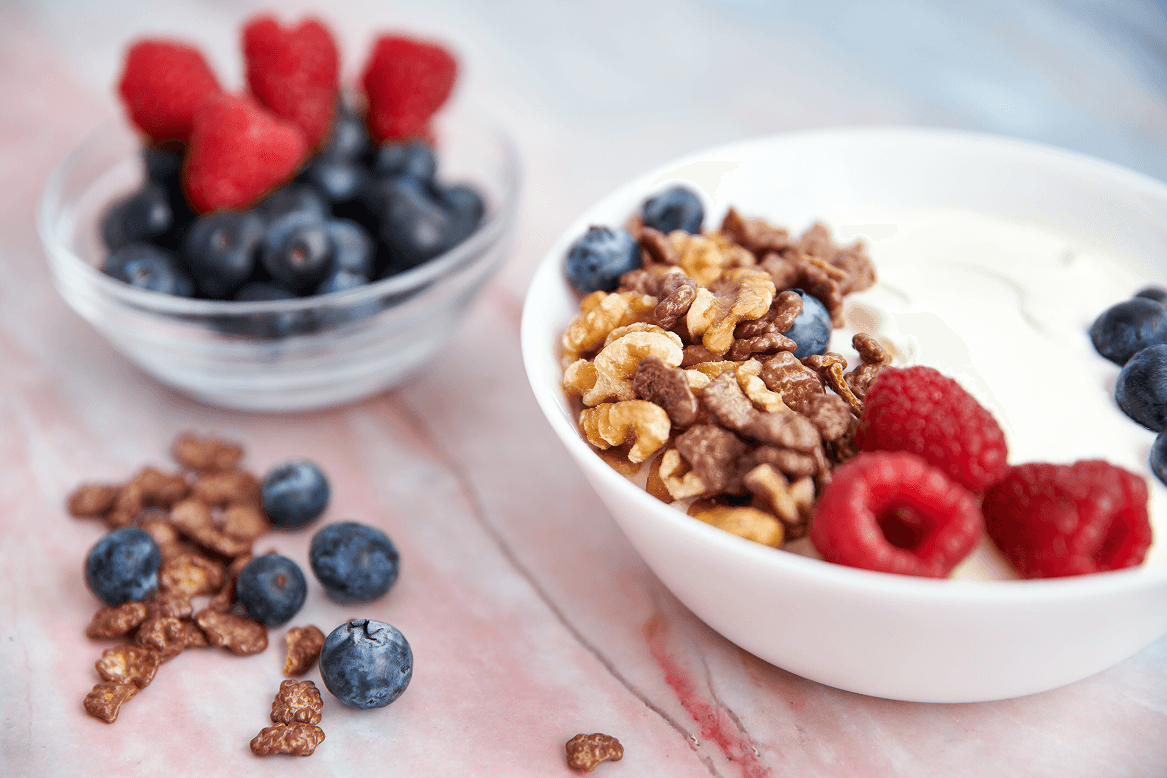
Top foods to prioritize this month:
Fresh blueberries with Greek yogurt or oatmeal
Blackberries and raspberries as an afternoon snack
Mixed berries added to smoothies or cottage cheese
Why it matters:
Berries are rich in antioxidants that help protect cells from everyday oxidative stress.
Fiber supports gut health, healthy cholesterol levels, and steady blood sugar.
Vitamin C supports immune function, collagen production, and recovery.
Regular berry intake has been linked to better heart and brain health as we age.
Simple actions:
Add one cup of berries to breakfast several mornings each week.
Keep frozen berries on hand for smoothies year-round.
Replace sugary desserts with fresh berries and a spoonful of Greek yogurt.
Our recommended snack this month is plain Greek yogurt topped with fresh blueberries and a handful of walnuts. This combination provides approximately 20 grams of protein, healthy fats, fiber, and antioxidants in a simple, satisfying snack.
Why it matters:
Protein helps maintain muscle, healthy fats support heart and brain health, and the combination of fiber and antioxidants helps promote steady energy while supporting long-term metabolic health.
2. Gut Health Tip for August: Feed Your Microbiome
Your gut is home to trillions of bacteria, fungi, and other microorganisms collectively known as the gut microbiome. These microbes do far more than help digest food. They play an important role in supporting your immune system, metabolism, heart health, brain function, and even mood.
One of the most effective ways to support a healthy microbiome isn’t taking probiotics. It’s eating a wide variety of whole, minimally processed plant foods. Research continues to show that people who regularly eat a diverse range of fruits, vegetables, legumes, nuts, seeds, and whole grains tend to have healthier, more diverse gut bacteria.
A simple goal is to eat 30 different plant foods each week. Every fruit, vegetable, herb, bean, nut, seed, and whole grain counts toward that total.
Why it matters:
A healthy gut microbiome supports immune function and helps regulate inflammation.
Diverse gut bacteria are associated with better metabolic and cardiovascular health.
Gut health may influence mood, cognitive function, and overall well-being through the gut-brain connection.
Eating a wider variety of plant foods naturally increases fiber, vitamins, minerals, and antioxidants.
Simple actions:
Aim to eat 30 different plant foods throughout the week.
Add beans or lentils to two meals this week.
Include berries as a snack or breakfast topping.
Sprinkle nuts or seeds onto yogurt, salads, or oatmeal.
Add a fermented food like Greek yogurt, kefir, kimchi, or sauerkraut several times each week.
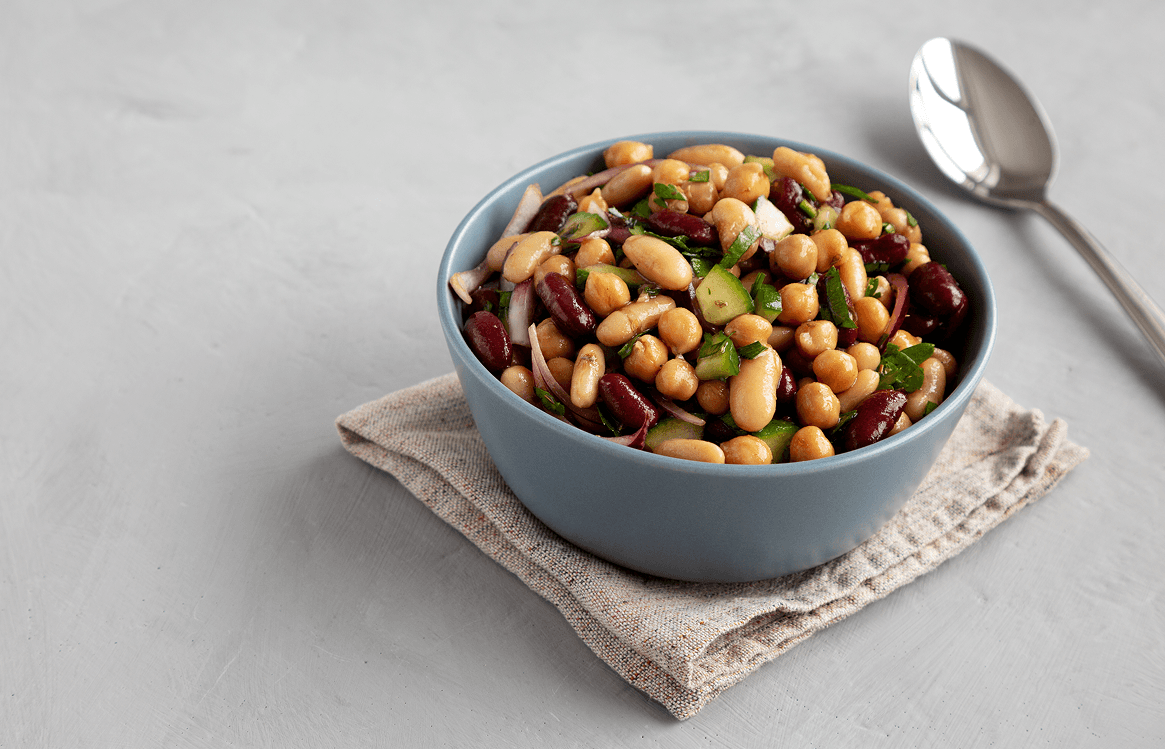
Our recommended food this month:
Mixed beans are one of the easiest and most affordable ways to support your gut microbiome. They’re rich in fiber, plant protein, and prebiotics that nourish beneficial gut bacteria. Keep canned black beans, chickpeas, or lentils in your pantry for quick additions to salads, soups, grain bowls, or tacos.
The fiber found in beans serves as fuel for beneficial gut bacteria, helping produce compounds that support digestive health, immune function, and overall metabolic health. Small, consistent improvements in dietary variety can have meaningful long-term benefits for your gut and your overall health.
3. Healthy Aging Tip for August: Healthy Aging Starts Earlier Than You Think
Healthy aging isn’t something that begins in retirement. It starts with the choices you make today. Building muscle, staying physically active, eating a balanced diet, prioritizing sleep, and keeping up with preventive screenings all work together to reduce the risk of chronic disease and help you stay independent as you age.
While genetics play a role, research suggests that lifestyle factors have a much greater impact on how well we age. Small, consistent habits practiced over time can improve both lifespan and healt span, the number of years you live in good health.

Why it matters:
Preventive screenings can help detect health concerns before symptoms develop.
Maintaining muscle supports strength, balance, mobility, and healthy metabolism.
Regular cardiovascular exercise supports heart health, brain health, and endurance.
Quality nutrition and sleep help reduce inflammation and support recovery.
Staying socially connected has been linked to better cognitive health, lower stress, and improved overall well-being.
Simple actions:
Schedule any preventive screenings you’ve been putting off.
Include strength training at least two days each week.
Aim for at least 150 minutes of moderate physical activity each week.
Prioritize whole foods, lean protein, fruits, vegetables, and healthy fats.
Get 7 to 9 hours of quality sleep each night.
Make time to connect with family, friends, or your community every week.
Our recommended habit this month:
Schedule one preventive health appointment you’ve been delaying. Whether it’s an annual physical, blood work, cancer screening, or another recommended evaluation, early detection provides the opportunity to identify potential concerns sooner, when they’re often easier to manage.
Healthy aging is built through consistent preventive care, healthy habits, and staying engaged in your health over time. Taking small steps today can help you maintain your health, independence, and quality of life for years to come.