
"Sleep is for when you are dead"
~ Some Dead Guy
We all look to maximize the enjoyment of the time we are here. The way we think about doing it may be a bit off.
20 minutes more for that show to finish; scrolling to the next article on the historic DNA sequencing of dinosaurs or that one more episode of Stranger Things is definitely worth it for the memory, for the gossip, for the dopamine.
January creates a natural reset coming off the holidays while jumping back into daily routines. Take a minute to look at your sleep objectively and let’s think through small changes to maximize your healthspan.
THE BIG IDEA
Sleep acts as a multiplier across nearly every one of your boyd systems tied to healthspan. It shapes how the brain processes information, how tissues respond to insulin, how efficiently energy gets used, and how resilient the nervous system feels under pressure.
A pooled analysis from the European Sleep Research Society following over one million participants found that habitual sleep duration under six hours correlates with a 48% higher risk of cardiometabolic disease (belly fat, high blood sugar, high blood pressure, etc.) compared to seven to eight hours (Cappuccio et al., Eur Heart J).
The risk doesn’t appear overnight but accumulates through repeated nights of poor recovery.
Sleep determines how effectively nutrition and movement translate into physiology. It’s a key input into how your body processes life. When you don’t sleep well, your body becomes worse at handling sugar, your stress hormones stay turned on too long, and the next day your blood sugar spikes more easily. That makes you feel wired, hungry, foggy, and less in control which leads to weight gain, higher blood pressure, and greater risk for diabetes, heart disease, and depression.
People often blame themselves for lacking discipline or motivation, but the problem is that their body is working against them. Poor sleep rewires your body systems, so willpower has less control the next day.
Even a small amount of lost sleep messes with your body quickly. If you sleep 5–6 hours a night for just a week, your body becomes much worse at handling sugar, so your blood sugar spikes more after meals even if you’re eating the same way you always do.
At the same time, sleep loss rewires hunger. Your body turns up the hormone that makes you feel hungry and turns down the one that tells you you’re full. The result is stronger cravings for high-calorie foods, not because you need more energy, but because your signaling system is distorted.
Your brain takes a hit too. The part responsible for judgment, self-control, and planning works less efficiently, while the part that reacts emotionally becomes more sensitive. That makes decisions feel harder and emotions feel closer to the surface.
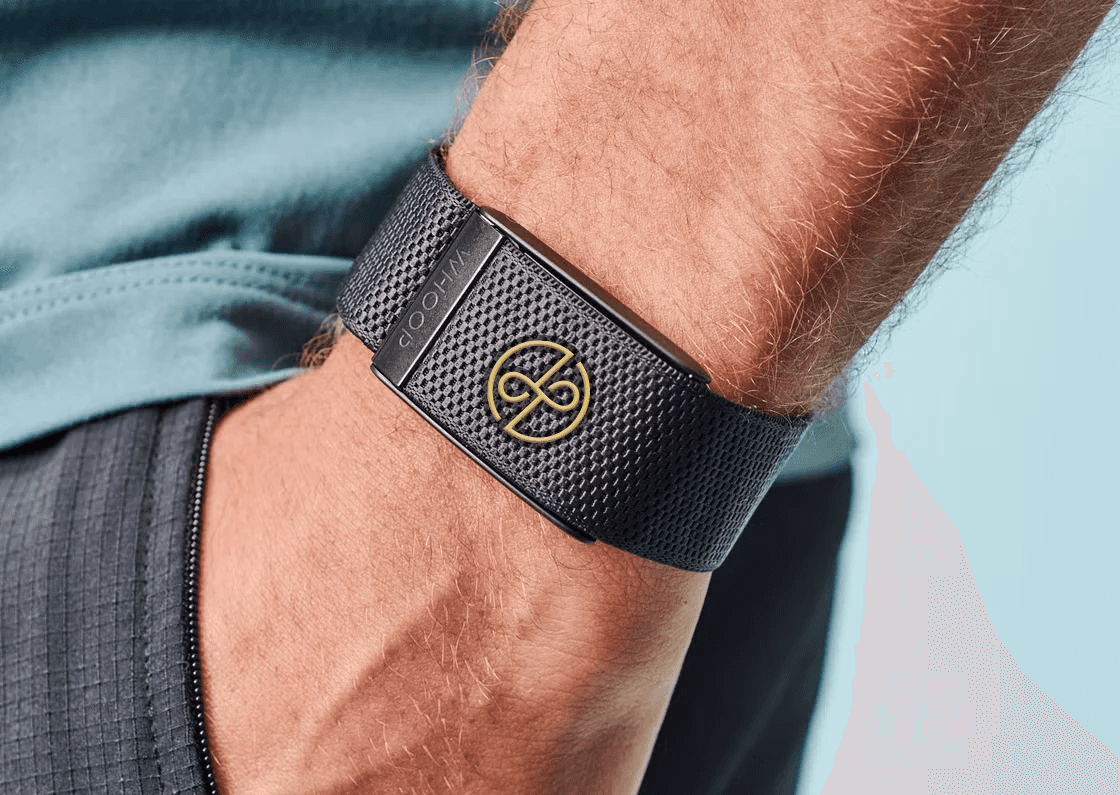
Before you blame your willpower, check your sleep. Wearables are great for keeping you honest on that by the way! Write down or at least acknowledge what changes in you after a good night versus a short one. What food do you reach for, how do you talk to people, what feels easy, what feels impossible? That pattern is your body giving you feedback. Treat sleep like a daily check-in with yourself, not another task to “win.” Let's make those actual waking moments more enjoyable.
YOUR SMALL WIN THIS MONTH
Shift your wind-down time earlier by 30 minutes each day this week and keep it consistent. If you normally get into bed at 10:30pm then try 10pm and keep it there. Let yourself start the process of falling asleep sooner.
Earlier wind-down lowers core body temperature and suppresses late-evening cortisol (stress). Both changes support faster sleep onset and more consolidated slow-wave sleep (Van Cauter et al., Ann Intern Med).
Clinical sleep labs consistently show fewer nighttime awakenings within 7–10 days when wind-down timing stabilizes. Sleep responds quickly to timing cues.
BIOMARKER SPOTLIGHT: DEEP SLEEP & REM SLEEP
Deep sleep and REM sleep drive the majority of overnight recovery.
Deep sleep supports physical restoration. During this stage, growth hormone peaks, tissues repair, immune signaling strengthens, and glucose regulation resets for the next day. Studies show reductions in deep sleep directly impair insulin sensitivity and raise next-day glucose levels (Tasali et al., PNAS).
REM sleep supports brain health. It consolidates memory, regulates emotion, and stabilizes mood. REM duration correlates strongly with cognitive performance, stress resilience, and next-day decision-making. Chronic REM disruption associates with higher depression risk and poorer executive function (Walker & Stickgold, Nat Rev Neurosci).
Typical adult ranges provide useful context:
Deep sleep: ~13–23% of total sleep
REM sleep: ~20–25% of total sleep

The exact number matters less than the trend. When deep and REM sleep increase or stabilize, members often report steadier energy, clearer thinking, and improved glucose patterns within weeks.
You Can’t Outrun Your History:
Why “Perfect” Health Markers Aren’t Enough
By: Evan Malone
A perspective on life, knowledge and a bias toward action
For the last 20 years, I lived under a shadow that I thought I had outrun.
When my brother passed away from a heart attack at just 36 years old, it changed everything. I became the "perfect" patient. I went to the cardiologist every five years like clockwork. I got blood work done every six months. I never had high blood pressure. I never had high cholesterol.
I didn't just stay active; I pushed the limits of what the human body can do. I became an ultramarathoner, regularly running 100-mile races. I did CrossFit. I was in the best shape of my life.

Because of that training and those clean test results, I developed a sense of invincibility. I convinced myself that I had dodged the genetic bullet. I believed that my lifestyle had rewritten my DNA and that what happened to my brother couldn't, and wouldn't, happen to me.
A year ago, I started working with Sperity Health after connecting with Grant Zarzour and hearing the mission to build a new proactive healthcare platform. I improve lives providing people with the tools to understand their health on a deeper level. I love the mission, but I didn't realize that in the process of helping others, I would end up saving my own life.
Through my work, I finally got on board with getting my own CT coronary angiogram – the definitive heart view scan. After two decades of being told everything was "fine" by traditional standards, the scan revealed the truth: I have a small blockage in an artery to my heart.
You might think that finding out you have a heart blockage would be terrifying. For me, it was a profound sense of relief. For years, whenever I felt a strange sensation in my chest or a bit of "heartburn," a small, quiet part of my brain would wonder. Was that it? Was that the family history catching up to me? I would always dismiss it because the "standard" tests told me I was a specimen of health.
But data doesn't lie. Now, I no longer have to guess. I’m not wondering if a symptom is just indigestion or the start of something worse. I have the clarity to take action. I know exactly what I need to do to manage this, and I have the roadmap to make sure I’m here for the long haul. In identifying the blockage now, I can proactively manage it through medication and routine testing. Even if a procedure is needed down the line, it will be a simple, standard process because we aren't catching it in an emergency room, we're catching it at a scheduled checkup. With consistent monitoring, I can continue my life as an athlete with the peace of mind that I am actually protected.
.
I’m sharing this because if I had relied solely on the advice of my previous checkups, I would have kept running, literally, into a potential disaster. Fitness is not the same thing as health. You can be an elite athlete and still have underlying issues that a standard blood panel or a basic physical will never catch.
My message is simple: You must take control of your own healthcare. Do not settle for "you look fine,” particularly if you know your family history suggests otherwise. You have to be your own biggest advocate. Push for the advanced screenings. Demand the data. If your doctor won’t order the tests you need to feel secure, find a doctor who will. Sperity Health really helped me navigate all of this and get me the proactive labs and imagining I needed to take control of my health
I'm still a runner. I'm still a CrossFitter. But now, I'm an athlete who knows what's really going on under the hood. Don't wait for a symptom to become a statistic. Get checked. Get the data. Take control.
Additional Reading
Stay Informed. Stay Healthier
Receive practical health insights and the latest Sperity news.