
1. Resting Heart Rate - A Window Into Your Cardiovascular Health
Your resting heart rate (RHR) is the number of times your heart beats per minute while you’re at complete rest. In general, a lower resting heart rate can indicate that your heart is working more efficiently, although what’s considered “normal” varies from person to person.
Rather than comparing your number to someone else’s, pay attention to your own trend over time. A resting heart rate that gradually decreases as your fitness improves—or one that suddenly rises during illness, stress, or poor sleep—can provide useful insight into your overall health.

Optimal Range
For most healthy adults, a resting heart rate between 50–70 beats per minute (bpm) is generally considered optimal. Well-trained athletes may naturally have lower values, while slightly higher values may still be appropriate depending on age, medications, and overall health.
When to Pay Closer Attention
A resting heart rate that is consistently above 80 bpm or significantly different from your usual baseline may indicate that your body is under additional stress. Temporary increases can occur with illness, dehydration, poor sleep, stress, or overtraining. Persistent changes should be discussed with your healthcare provider.
What This Metric Tells Physicians
Physicians don’t just look at a single resting heart rate—they look at how it changes over time and in the context of your overall health.
A higher-than-expected resting heart rate can sometimes be associated with factors such as poor sleep, elevated stress, illness, dehydration, low fitness, or certain medications. Likewise, a decreasing resting heart rate over time may reflect improvements in cardiovascular fitness. When combined with other health data, resting heart rate helps physicians better understand your cardiovascular health and recovery.
Simple Actions This Month
Measure your resting heart rate at the same time each morning. Before getting out of bed, use your wearable or manually count your pulse for 60 seconds. Tracking your morning baseline helps you spot meaningful trends over time.
Aim for at least 150 minutes of moderate exercise each week. Break it into manageable sessions, such as a 30-minute brisk walk five days a week or shorter workouts that fit your schedule.
Prioritize consistent, quality sleep. Aim for 7–9 hours of sleep and try to go to bed and wake up at roughly the same time each day. Consistency is often just as important as total sleep time.
Discuss persistent or unexpected changes with your healthcare provider. If your resting heart rate remains elevated or noticeably different from your normal baseline for several days without an obvious reason, it’s worth bringing up during your next medical visit.
2. VO₂ Max - One of the Strongest Predictors of Long-Term Health
VO₂ Max measures how efficiently your body uses oxygen during exercise. It reflects the combined performance of your heart, lungs, blood vessels, and muscles, making it one of the best indicators of cardiorespiratory fitness.
Higher levels of cardiorespiratory fitness are consistently associated with better long-term health and a lower risk of chronic disease. The encouraging news is that VO₂ Max can improve at nearly any age with regular physical activity.
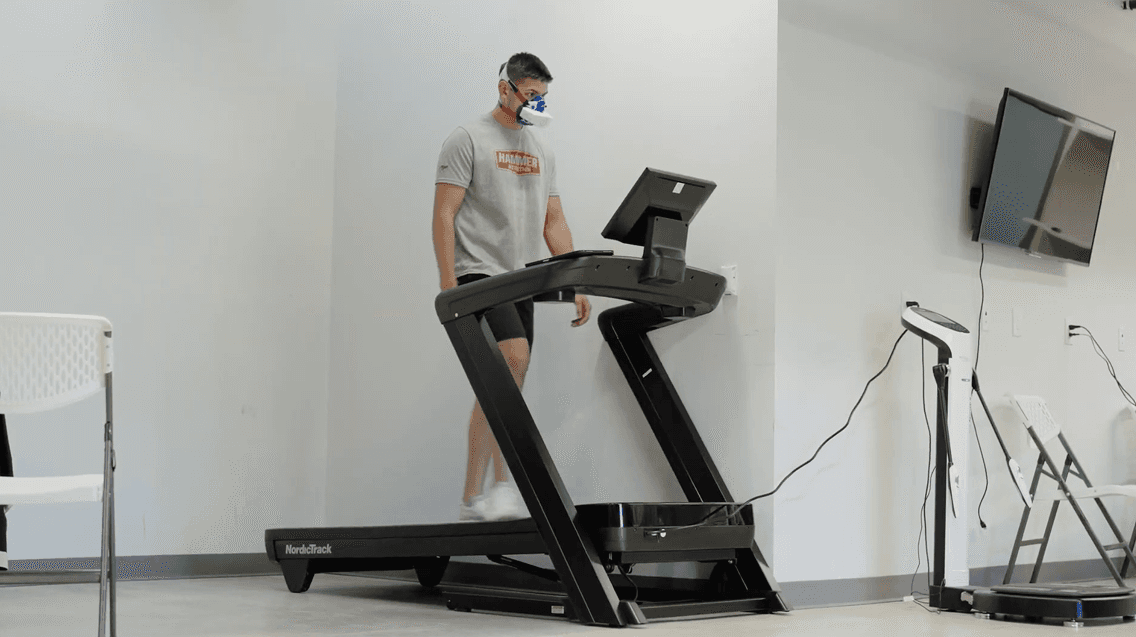
Optimal Range
Because VO₂ Max varies by age and sex, physicians compare your score to established population standards. Generally, being in the Good, Excellent, or Superior category for your age group reflects strong cardiovascular fitness and is associated with better long-term health outcomes.
When to Pay Closer Attention
A VO₂ Max in the Low or Very Low category may indicate reduced cardiovascular fitness and a greater opportunity for improvement. The good news is that VO₂ Max often responds well to regular aerobic exercise, even with modest lifestyle changes.
What This Metric Tells Physicians
VO₂ Max provides physicians with an objective measure of your cardioresiratory fitness—one of the strongest indicators of long-term health.
It helps them understand how efficiently your heart, lungs, and muscles work together during physical activity. Changes in VO₂ Max over time can also show whether your exercise program is improving your fitness or whether additional evaluation or lifestyle changes may be beneficial.
Simple Actions This Month
Add one or two brisk walks, bike rides, or runs each week. Choose activities that elevate your heart rate for at least 20–30 minutes while still allowing you to carry on a conversation.
Include intervals if they’re appropriate for your fitness level. Try alternating one minute of faster effort with two to three minutes of easier recovery during a walk, bike ride, or jog. Even a few intervals can help improve cardiovascular fitness.
Stay physically active most days of the week. Structured workouts are important, but everyday movement matters too. Take the stairs, park farther away, or add a short walk after meals to increase your daily activity.
Reassess your VO₂ Max periodically to monitor progress. Whether you’re using a wearable device or completing a formal fitness assessment, tracking your score every few months can help show how your cardiovascular fitness is changing over time.
Our recommended food this month:
Mixed beans are one of the easiest and most affordable ways to support your gut microbiome. They’re rich in fiber, plant protein, and prebiotics that nourish beneficial gut bacteria. Keep canned black beans, chickpeas, or lentils in your pantry for quick additions to salads, soups, grain bowls, or tacos.
The fiber found in beans serves as fuel for beneficial gut bacteria, helping produce compounds that support digestive health, immune function, and overall metabolic health. Small, consistent improvements in dietary variety can have meaningful long-term benefits for your gut and your overall health.
3. Grip Strength - A Simple Measure That Says More Than You Think
Grip strength isn’t just about having a firm handshake. It reflects overall muscle strength and has been linked to healthy aging, mobility, and physical function.
Because muscle naturally declines with age, maintaining strength is an important part of preserving independence and reducing the risk of future physical limitations.

Optimal Range
Grip strength is evaluated using age- and sex-specific reference values. Being at or above the expected range for your demographic generally reflects healthy muscle function and physical resilience.
When to Pay Closer Attention
Grip strength below the expected range may suggest reduced muscle strength or function. While many factors can contribute, it may indicate an opportunity to improve strength through resistance training, adequate protein intake, and regular physical activity.
What This Metric Tells Physicians
Grip strength gives physicians a quick snapshot of overall muscle function and physical resilience.
When interpreted alongside factors such as age, body composition, activity level, and nutrition, it can help identify individuals who may benefit from additional strength training, nutritional support, or further evaluation. Tracking grip strength over time also allows physicians to monitor whether muscle function is being maintained or improving.
Simple Actions This Month
Perform strength training at least twice each week. Focus on major muscle groups using free weights, resistance bands, machines, or bodyweight exercises such as squats, push-ups, and rows. Aim for 20–45 minutes per session.
Eat adequate protein as part of a balanced diet. Include a quality protein source—such as fish, poultry, eggs, beans, Greek yogurt, tofu, or lean meats—with each meal to support muscle maintenance and recovery.
Include functional movements such as carrying, lifting, and pulling. Everyday activities like carrying groceries, lifting a suitcase, gardening, or performing farmer’s carries help build practical strength you’ll use throughout daily life.
Track your grip strength over time if testing is available. If your physician, fitness center, or wellness program offers grip strength testing, monitor your results over time to see whether your strength is improving, staying stable, or declining.
The Big Picture
No single number defines your health. But together, your resting heart rate, VO₂ Max, and grip strength provide a meaningful snapshot of how well your cardiovascular system, fitness, and muscles are functioning.
The goal isn’t perfection—it’s progress. Small improvements over time can have a meaningful impact on your long-term health and help you stay active for years to come.
This September, choose one of these three metrics to focus on. Track it consistently, make one small improvement each week, and let those small changes add up over time.