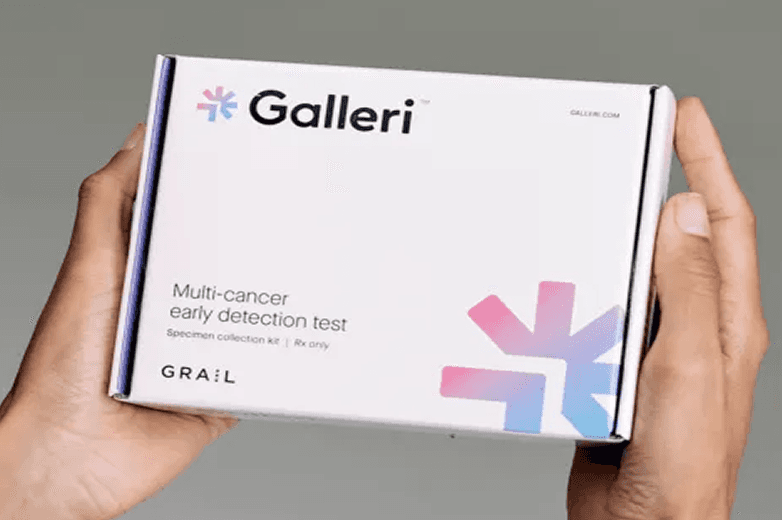
What is the Galleri Test?
Galleri is a multi-cancer early detection test. It looks for fragments of DNA (cell-free DNA or cfDNA) in the bloodstream that may originate from tumours. In the recent trial more than 25,000 adults were screened, and nearly 1 in 100 received a positive result. Of those positives, about 62% were confirmed to have cancer on further testing.
Why This Matters
Early detection of cancer has long been a key goal in preventive medicine. The earlier cancer is found, the better the outcomes tend to be—often with simpler treatment, less invasive procedures, and shorter recovery times. For longevity-focused health strategies, this kind of advance could shift the game: from reacting to disease to anticipating it.
The Promise and the Caution
While the numbers are promising, experts caution that it’s not yet a foolproof solution for everyone. For this kind of test to become part of standard screening, there still needs to be clear evidence that earlier detection truly saves lives and that the benefits outweigh the risks and costs. Like all screening tools, the risk of false positives, or tests that flag a problem when there isn’t one, remains an important consideration.
What It Means for You
Here’s how you can apply this to your longevity plan:
Stay informed: As this test becomes more widely validated, it may join your toolkit of biomarker and diagnostic tests.
Use diagnostics wisely: Remember that no test is perfect. Use follow-up diagnostics and your physician’s guidance when results come in.
Focus on foundational health: Whether or not you use advanced screening, you can reduce cancer risk through lifestyle: maintaining a healthy weight, eating a nutrient-rich diet, staying active, limiting alcohol and smoking, and getting regular check-ups.
Leverage biomarker data: This test is part of a broader shift—toward using data, genomics, and early signals to manage long-term health rather than wait for symptoms.
Looking Ahead
We’re still at the early stages. While trials like this are groundbreaking, they’re part of the “what could” rather than “what is” for now. Over the next several years, we expect to see whether tests like Galleri become standard across risk groups, how insurance pays for them, and how they integrate with lifestyle, diagnostics, and wellness programs.
For brands like ours focused on healthspan, resilience, and data-driven wellness, this is a signal: the future of screening and diagnostics is shifting from reaction to prediction. Whether you use this exact test or not, staying aware—and aligning that awareness to strong habits and personalized monitoring—is where the real benefit lies.
Ready to Take Control of Your Health?
At Sperity Health, we combine advanced diagnostics, physician guidance, and wearable data to help you stay ahead of potential risks—before they become problems.